
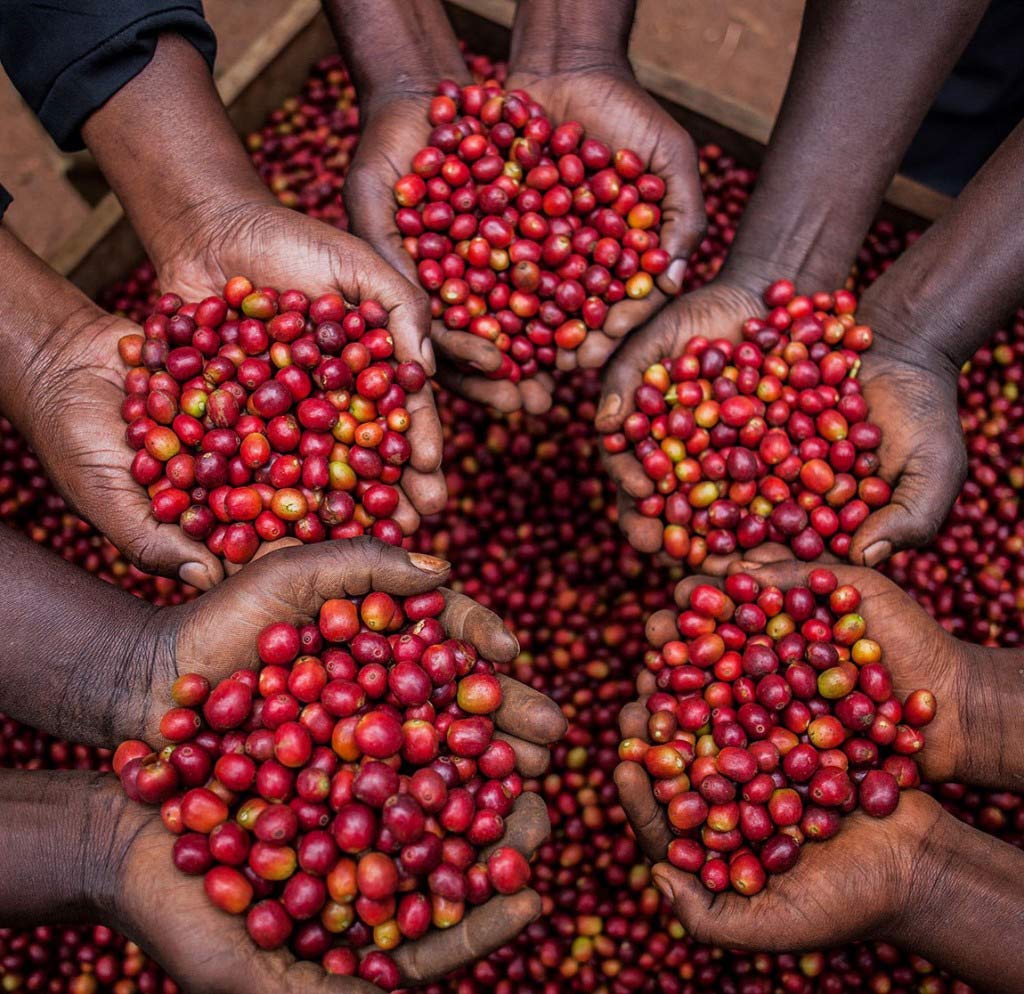
Can coffee eradicate poverty in the Acholi region of northern Uganda?
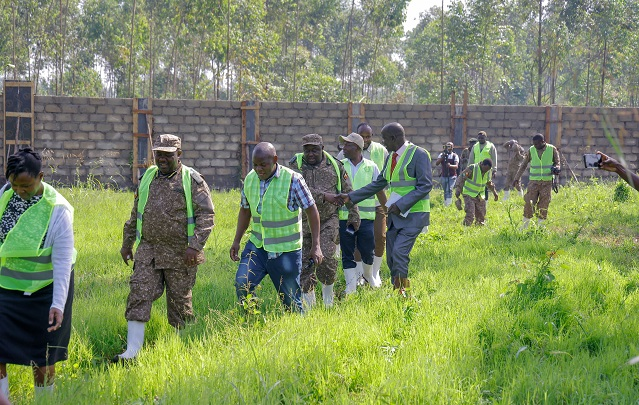
During his recent visit to northern Uganda, President Yoweri Museveni emphasized the importance of coffee cultivation in improving the lives of farmers in the region. To achieve this, the Ugandan government launched a coffee cultivation initiative in the Acholi region.
President Museveni is focused on improving the lives of farmers in northern Uganda through coffee cultivation.
In this initiative, the Ugandan government is working with local farmers' associations to stimulate coffee cultivation in the region. The project aims to improve the lives of farmers in the region by providing a stable market for coffee and improving productivity.
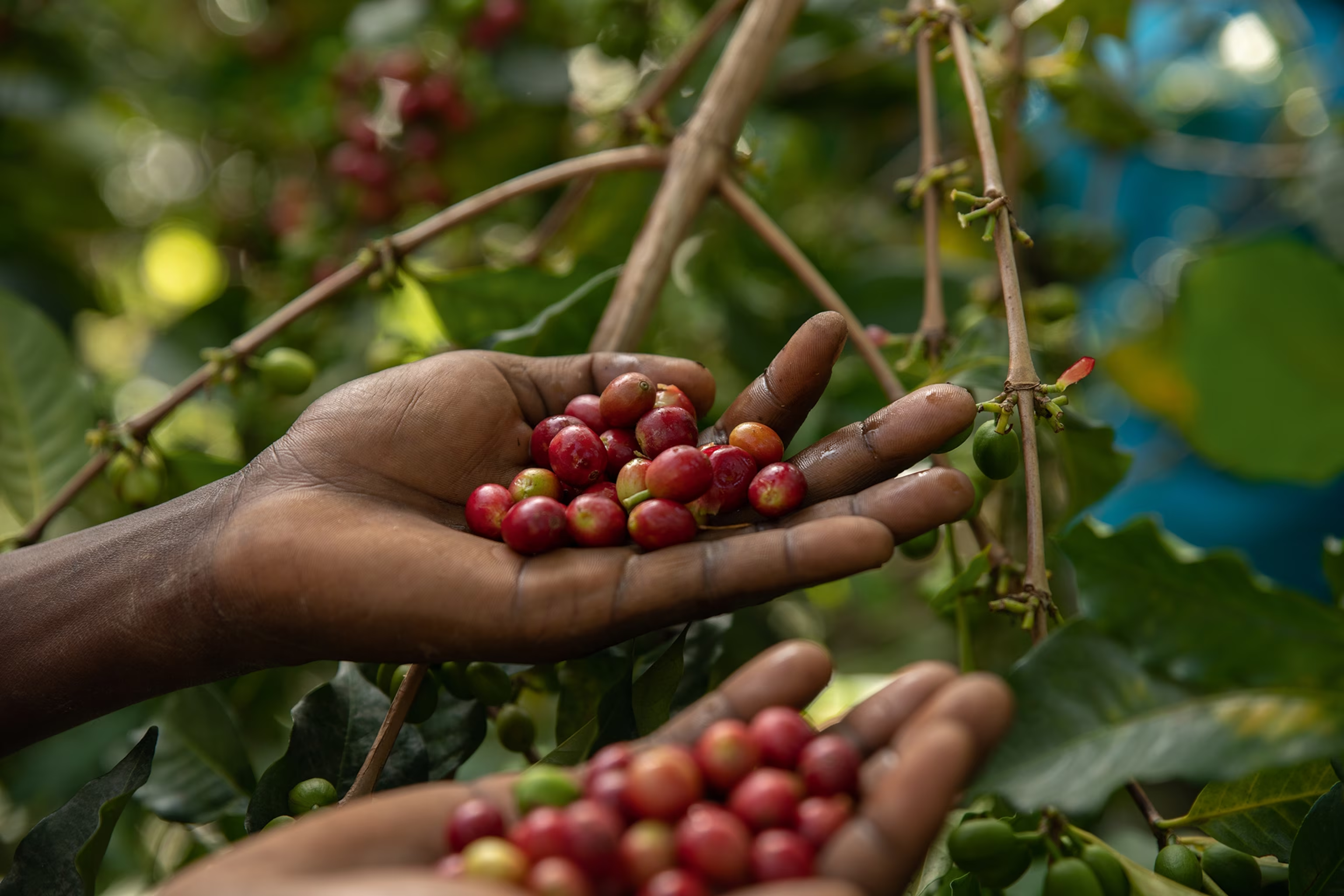
This initiative is expected to improve the lives of farmers in the Acholi region and reduce poverty in the region. Farmers hope this initiative will improve their lives and provide a better future for their children.
Mr. James Ojok Anono, a Ugandan citizen, believes that coffee cultivation could be a solution to improving the lives of farmers in the Acholi region. He says that coffee cultivation can provide a stable market for farmers and improve productivity.
Here are some of the benefits that coffee farming can bring to farmers in the Acholi region:
Stable Market: Coffee farming can provide a stable market for farmers, enabling them to sell their crops at reasonable prices.
Improved Productivity: Coffee farming can contribute to improved productivity for farmers, enabling them to produce more crops.
Improved Livelihoods: Coffee farming can contribute to improving the lives of farmers in the Acholi region, enabling them to provide a better future for their children.
However, there are some challenges that coffee farming in the Acholi region can face, such as:
1. Rainfall Insufficiency: Rainfall insufficiency can affect coffee production, leading to losses for farmers.
2. Diseases: Diseases can affect coffee production, leading to losses for farmers.
3. Competition: Coffee farming in the Acholi region can face competition from farmers in other regions, leading to losses for farmers.
However, farmers hope that coffee farming will improve their lives and provide a better future for their children. Mr. James Ojok Anonu says that coffee farming can be a solution to improving the lives of farmers in the Acholi region.
In conclusion, coffee farming can contribute to improving the lives of farmers in the Acholi region and reducing poverty in the region. The farmers hope that this initiative will improve their lives and provide a better future for their children.
Impact of Coffee Farming on Poverty in the Acholi region:
1. Providing a Stable Market: Coffee farming can provide a stable market for farmers, enabling them to sell their crops at reasonable prices.
2. Improving Productivity: Coffee farming can contribute to improving productivity for farmers, enabling them to produce more crops.
3. Improving the Lives of Farmers: Coffee farming can contribute to improving the lives of farmers in the Acholi region, enabling them to provide a better future for their children.
However, there are some challenges that coffee farming in the Acholi region can face, such as:
1. Rainfall Insufficiency: Rainfall insufficiency can affect coffee production, which can lead to losses for farmers.
2. Diseases: Diseases can affect coffee production, which can lead to losses for farmers.
3. Competition: Coffee farming in the Acholi region can face competition from farmers in other regions, which can lead to losses for farmers.
However, farmers hope that coffee farming will improve their lives and provide a better future for their children. Mr. James Ojok Anonu says that coffee farming can be a solution to improving the lives of farmers in the Acholi region.
In conclusion, coffee farming can improve the lives of farmers in the Acholi region and reduce poverty in the region. Farmers hope that this initiative will improve their lives and provide a better future for their children.













التعليقات
0 تعليقلا توجد تعليقات بعد
كن أول من يشارك رأيه حول هذا المقال!
أضف تعليقك